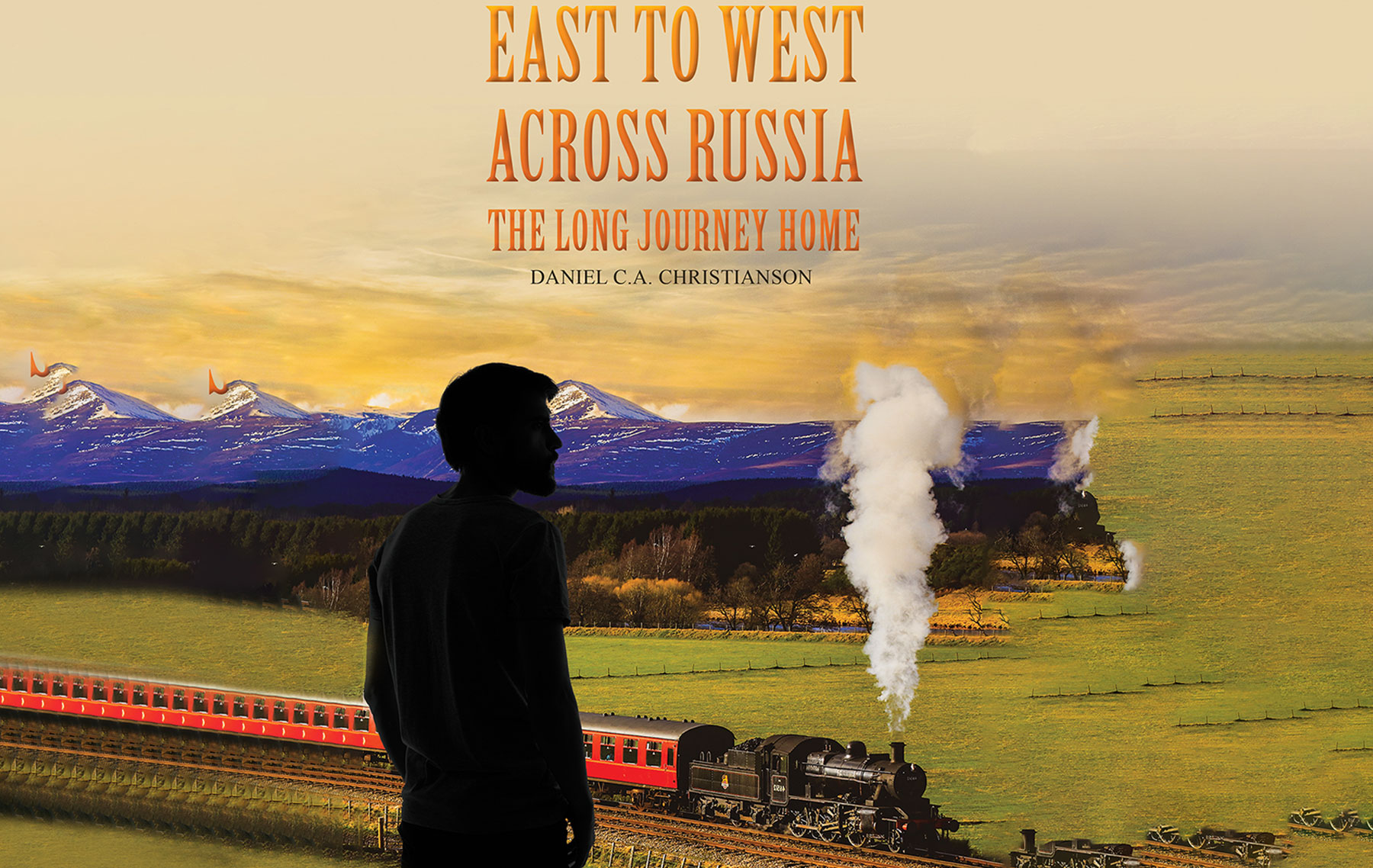
Sarah Thompson on East to West Across Russia: The Long Journey Home
Thoughtful reflections like Sarah Thompson’s always remind me why I chose to write East to West Across Russia: The Long Journey Home in such an intimate and emotional style. She wrote:
“I have a love and an appreciation for the epistolary form of writing that has almost faded away in the early 21st century. Daniel C.A. Christianson's use of the epistolary form in his book East to West across Russia: The Long Journey Home suggests a deep appreciation for this mode of storytelling. Letters allow for a personal and direct connection to the reader much like the note addressed to ‘Dear Reader’ in the book found by Emilia. The importance of the letter scene in Omsk next to the statue of the lovers and the note to ‘Dear Reader’ indicate Christianson's interest in using letters to convey emotional depth and to connect with readers. I don't know if the letter written by D and addressed to ‘Dear N’ is a real epistolary letter or one of fiction. I have not made up my mind on this yet. The romantic person in me wants this to be real but the reality is probably more aligned to the everyday and mundane realities of life. Christianson wants to keep alive this dying art form but it has faded away just like N faded away on the heated cobblestones of Red Square as the sun was setting on his journey across Russia. What a beautifully thought out and executed story if at times it was also bizarre.”
Hearing such a sensitive and perceptive response to the book is deeply meaningful. The decision to use letters as the backbone of the story came from my desire to preserve a form of writing that feels raw and personal. Letters carry emotion in their pauses, their silences, and their vulnerability. Through East to West Across Russia, I wanted readers to feel that connection as if each word was written for them alone. Knowing that readers like Sarah have felt that intimacy and reflection is truly rewarding.
Post Views : 78